AGP Executive Report
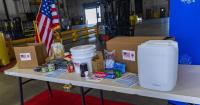
Last update: an hour agoUS-Cuba Humanitarian Talks: Secretary of State Marco Rubio met Mike Hammer in Washington to review Cuba’s situation and the rollout of $100M in humanitarian aid routed via Caritas and other trusted groups, amid heightened tensions and fallout from Venezuela’s shifting energy landscape. Private Sector in Education: With schools opening under shortages, Camagüey’s local “state and private” sponsors are stepping in for repairs and maintenance, while the Education Ministry admits uniforms, notebooks, and school meals remain strained. Teacher Contract Shock: The Bahamas says it won’t renew 31 Cuban teachers’ contracts, citing recruitment of local educators and ongoing negotiations with the US over Cuban health and education labor arrangements. Retail Liberalization: Cuba authorized private retail and restaurant chains, letting micro, small, and medium firms and cooperatives register one brand and operate multiple locations—part of a broader push to modernize management and production. Energy Theft Crackdown: Santiago de Cuba reported high rates of transformer dielectric oil theft, with prosecutors treating attacks on the electrical system as serious sabotage. Food Security Pressure: A BBC analysis highlights Cuba’s heavy food import dependence and sharp declines in key staples like pork, rice, beans, and milk, pointing to both sanctions impact and internal agricultural failures. Aid by Sea: Spain’s Open Arms delivered 7 tons of humanitarian supplies to Havana, including medical items and school materials, for distribution to nephrology and pediatric hospital partners.
Note: AI summary from news headlines; neutral sources weighted more to help reduce bias in the result. Feedback is welcome. Please let us know if you have any comments or suggestions about the AGP Executive Report.

 Perspectify News